
How to pair wine with a dish? A short guide to the wine list
Pairing wine with food isn't secret knowledge reserved for sommeliers, but a few simple rules - and the courage to ask the staff. A well-chosen glass can lift a dish a level higher, while a bad pairing can spoil both. Here's a short cheat sheet to start: how to match the weight of the wine to the dish, why acidity likes fat and why the shortest route to a successful pairing is simply a conversation with the staff at the table.
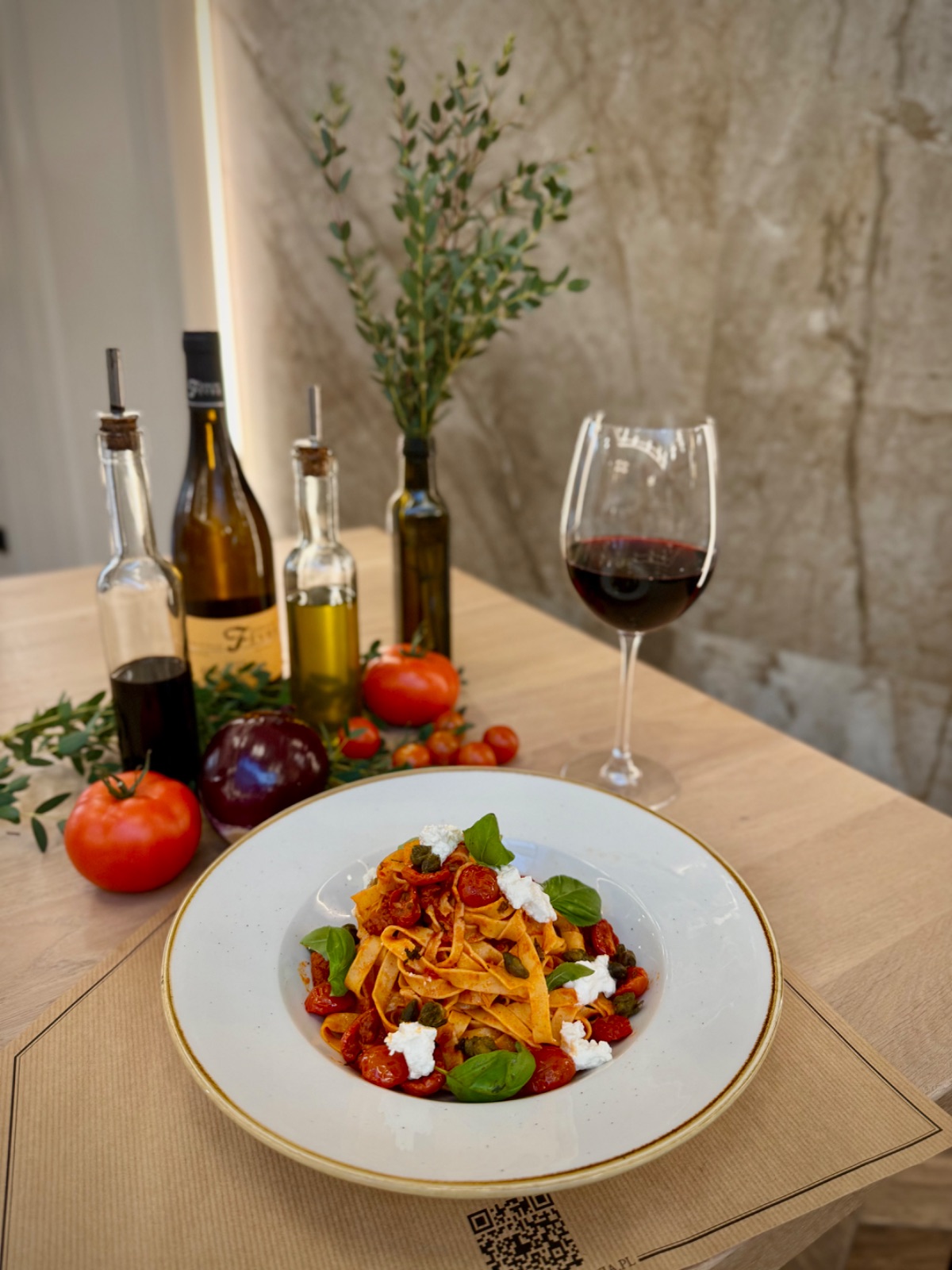
Rule one: weight to weight
The most important pairing rule is matching the weight of the wine to the weight of the dish. Light dishes - fish, salads, poultry - go best with light wines, white or rosé. Hearty, meaty dishes call for fuller-bodied wines, usually red. The intensity of the plate and the glass should play in the same league, so neither dominates the other. It's a simple rule that works in most cases. Starting from matching weight, you can rarely go wrong - the rest is subtle fine-tuning of flavour.
Acidity and fat are friends
The second useful rule concerns acidity. A wine with lively acidity "cleanses" the palate with richer dishes, which is why sparkling goes great with fried food, and a dry white with mozzarella pizza better than you might think. Acidity balances fat and refreshes, preparing the taste buds for the next bite. That's why champagne is served with fatty snacks. Remembering this pair - acidity versus fat - opens up many successful combinations. It's worth experimenting, because some of the best pairings are the least obvious at first.
The shortest route: ask
The simplest way to a well-judged pairing is a conversation with the staff. Our wine list is matched to the current, seasonal menu, so the staff will recommend a specific glass for a specific dish - no guessing. There's nothing embarrassing about it; asking for a recommendation is the shortest route to a successful evening. At tasting dinners you get the pairing as part of the package, chosen by us for each course. It's worth drawing on the staff's knowledge rather than choosing blind - a well-chosen wine can turn a good meal into a truly memorable one.
White, red, rosé and sparkling
It's worth knowing the general character of the main types of wine. Dry white suits fish, poultry and light dishes; red suits meats and hearty dishes; rosé is a universal choice for summer and in-between dishes; sparkling refreshes and suits snacks and richer fare. It's a simplification, but a good map to start with. Knowing these directions, it's easier to narrow the choice before asking for a detailed recommendation. Wine is a pleasure, not an exam - these basic categories are enough to navigate most wine lists consciously.
Non-alcoholic wine and alternatives
Pairing doesn't have to mean alcohol. More and more often, thoughtful non-alcoholic pairings are offered - juices, infusions, lemonades matched to dishes - which highlight the flavour of the food just as well. It's a solution for designated drivers, pregnant women or simply non-drinkers. At our tasting dinners we offer a non-alcoholic option as a full-fledged alternative. Good pairing is a matter of taste and balance, not alcohol itself. It's worth asking about such options - a good restaurant treats them as seriously as the wine list and prepares them with similar care.
Experiment without fear
The most important pairing rule is: drink what you like. Rules are helpful, but it's your palate that decides what tastes good. Don't be afraid to experiment, ask the staff and try non-obvious combinations - sometimes those turn out best. Wine pairing is a pleasure and part of discovering flavour, not a rigid set of rules. Toscania's wine list is matched to the menu and waiting to be discovered. But it tastes best not in the description but at the table, with the dish it was designed for.
The drinks and wine list awaits on the website - but it tastes best at the table, with a recommendation from the staff. Reservations: 65 537 07 68.
Discover the restaurant