
Conference catering - how to plan coffee breaks and lunch
An army marches on its stomach - and a conference all the more. Well-planned catering keeps participants' energy and concentration up all day, while a badly chosen menu can put the room to sleep right after lunch. Here is how to plan conference catering: at what rhythm to hold coffee breaks, how to compose a lunch that does not weigh you down, and how to look after participants on diets so nobody is left with just a salad.
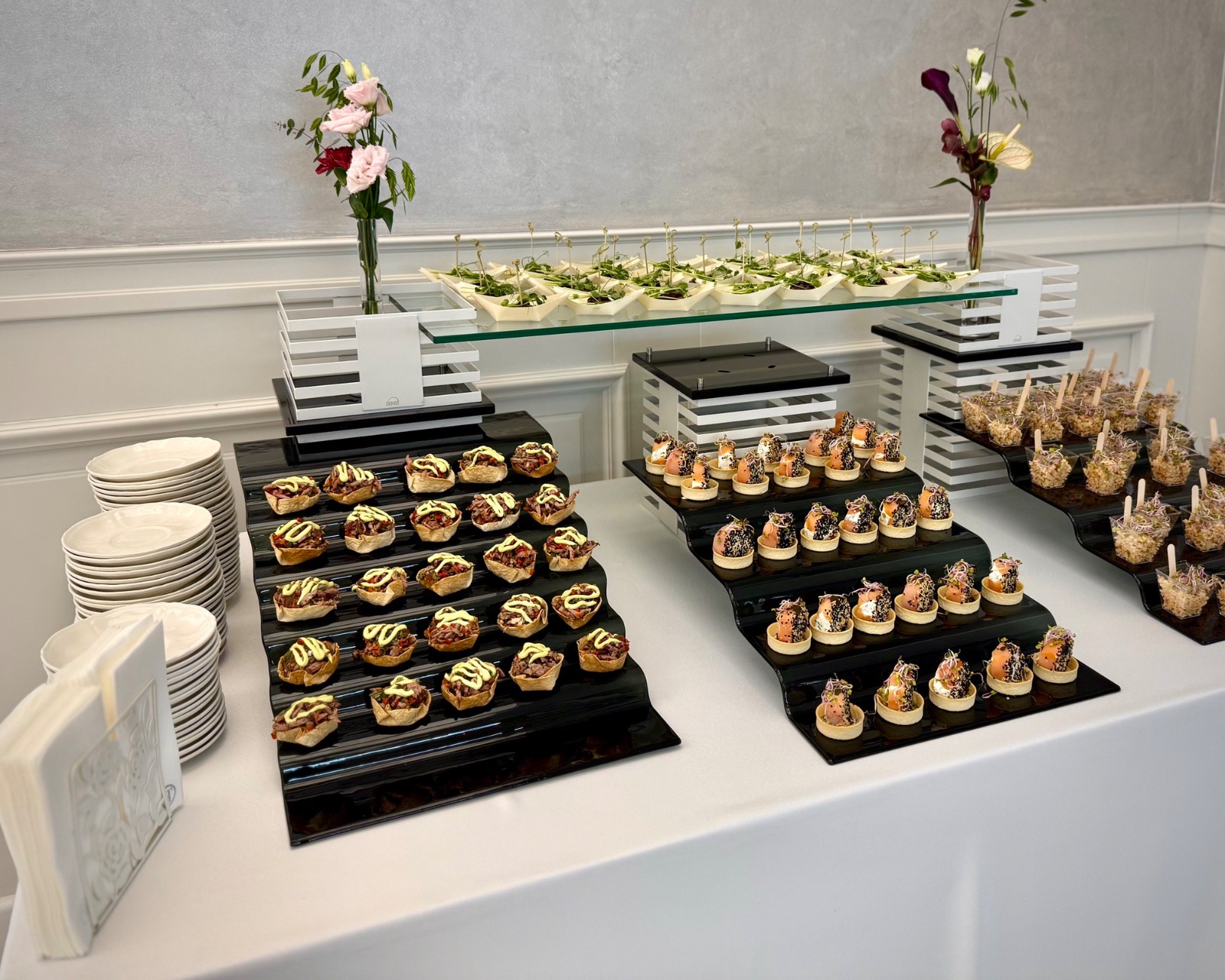
The coffee break: a rhythm every 90–120 minutes
The optimal rhythm of coffee breaks is one every hour and a half to two hours - often enough to keep energy up, and rare enough not to break up the programme. On the table there should be freshly brewed coffee, a choice of teas, water with citrus, something sweet from the Słodko-Słona café and fruit. It is worth replenishing the buffet on the go rather than “until it runs out”, so participants at later breaks do not find empty trays. Continuous freshness makes a good impression.
Lunch: light but substantial
A conference lunch must satisfy but not weigh down - a heavy, fatty meal means a sleepy room at two o'clock. The proven layout is a soup, a main course in two variants, always including one vegetarian, and a dessert, served at tables or as a buffet. Our kitchen composes the lunch so it adds energy for the afternoon sessions: go for easily digestible dishes, vegetables and sensible portions. It is a seemingly minor choice that genuinely affects the effectiveness of the second half of the day.
Diets and special needs
At every conference there are participants on a diet: gluten-free, vegan, lactose-free or with allergies. It is best to collect these at participant registration, and to mark the special dishes clearly on the buffet so everyone easily finds something for themselves. Because we run a full gluten-free menu in the restaurant, catering for diets is a standard for us, not an obstacle. Nobody is left with just a salad - every participant gets a full-value meal matched to their needs.
Buffet versus served
The choice between a buffet and table service depends on the format and the time. A buffet is faster, gives participants choice and works for large groups and shorter lunch breaks. Table service is more elegant and suits smaller, more formal events and dinners. The buffet format also gives a predictable cost per participant, with no surprises. It is worth matching the solution to the number of people and the standing of the event, rather than applying one to everything.
Coffee and drinks available all day
Beyond the planned breaks, it is worth ensuring constant access to water, and often coffee and tea too, throughout the day. Participants appreciate being able to have a drink at any moment, without waiting for an official break. Well-placed drink stations near the hall raise comfort and require no extra service. It is a small element that noticeably improves the reception of the event - especially during long, intense content blocks with infrequent breaks.
Matching catering to the agenda
The best catering is one synchronised with the agenda to the quarter-hour. Coffee breaks should fall between blocks, not in the middle of them, lunch at a natural point of the day, and dinner after the content part ends. It is worth giving the kitchen the exact schedule so the meals are ready on time and fresh. At Toscania we match the catering plan to the course of the event, so the food supports the programme rather than breaking it up. Just settle the agenda, and we will synchronise the rest.
Settle the agenda, and we will match the catering plan to it to the quarter-hour - from coffee breaks with the Słodko-Słona café to a lunch that does not send the room to sleep.
Offer for business